Natural Stone Installation — Canada

Laying Stone Paths and Patios That Survive Canadian Winters

Stone selection, sub-base construction, jointing methods, and freeze-thaw strategies for durable outdoor surfaces across Canada's climate zones.

Flagstone pathway through a rock garden in Calgary, Alberta

Stone Installation Guides

Detailed, practical articles covering every stage of natural stone patio and garden path installation — from choosing the right stone to managing frost heave.

Flagstone pathway at Riley Park, Calgary
Stone Selection

Choosing the Right Natural Stone for Canadian Patios and Garden Paths

Granite, limestone, quartzite, sandstone, and slate — each behaves differently when ground temperatures drop below freezing. This guide outlines what to look for and why water absorption rate matters more than price.

Read article
Dry stack stone terracing example
Sub-Base

Sub-Base Preparation for Stone Paths in Frost-Prone Climates

The most common reason stone surfaces fail in Canada is an inadequate base, not the stone itself. Proper excavation depth, compacted granular layers, and drainage slope prevent frost heave before it starts.

Read article
Natural stone patio with irregular flagstone jointing
Jointing & Finishing

Jointing Materials and Frost-Resistant Laying Techniques

Polymeric sand, dry mortar mixes, and kiln-dried sand each have different performance profiles under freeze-thaw cycling. The laying pattern and joint width also affect long-term stability.

Read article

Frost Changes Everything About Stone Installation

In most Canadian provinces, ground frost penetrates anywhere from 600 mm in coastal British Columbia to over 2,400 mm in parts of Saskatchewan and Manitoba. Stone paths installed without accounting for this movement rarely last more than a few seasons.

The difference between a path that shifts, tilts, and cracks after the first winter and one that remains level for decades comes down to three factors: the stone's water absorption rate, the depth and composition of the sub-base, and the jointing material used between stones.

Each article on this site addresses one of these factors in practical detail, with reference to Canadian climate zones and publicly available installation standards.

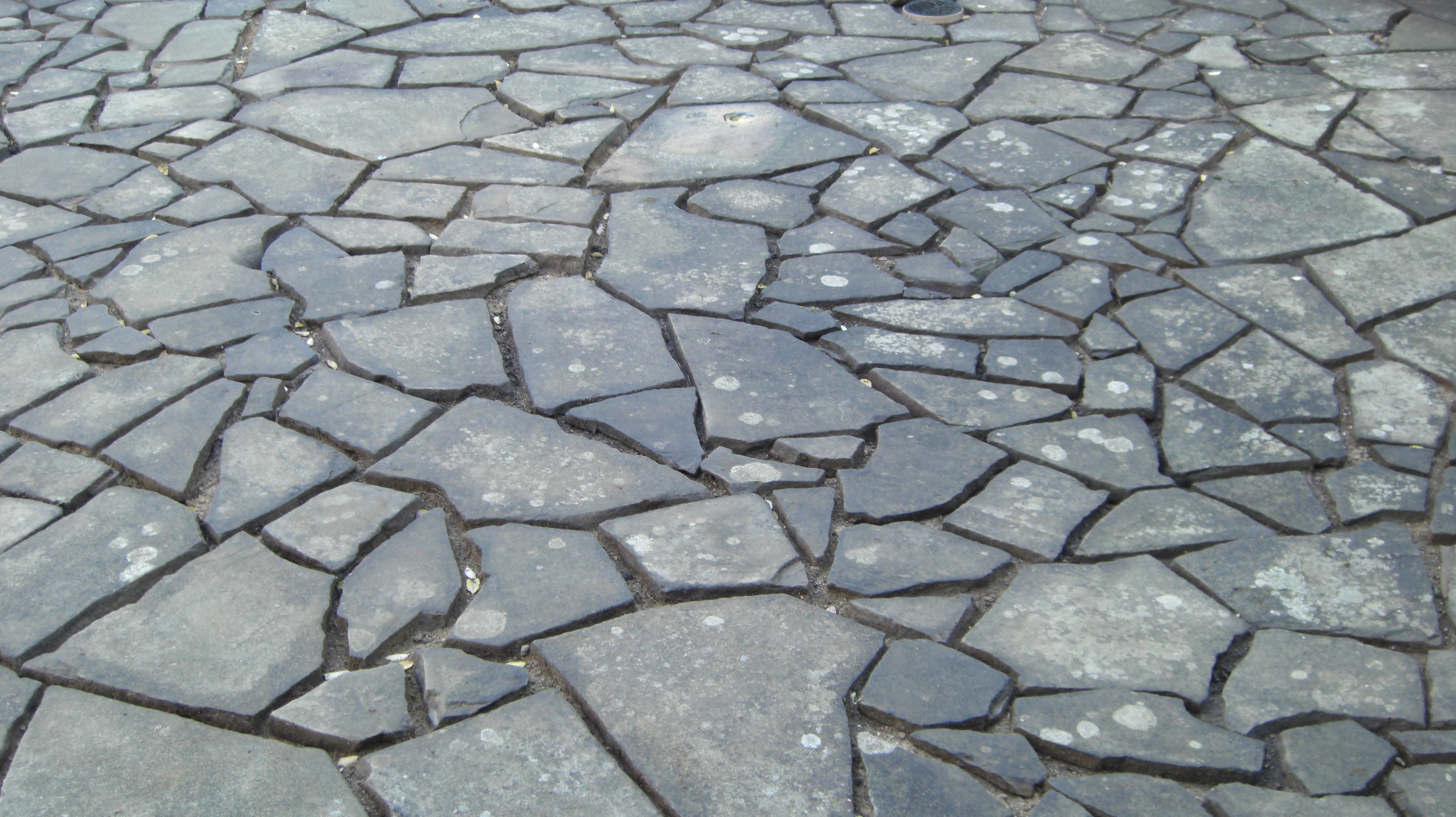
Close-up of natural paving stone surface texture

Key Factors in Stone Path Longevity

A simplified overview of the variables that determine whether a stone installation holds up over time in Canadian conditions.

Factor Why It Matters What to Target
Water Absorption Rate Stone that absorbs water is more vulnerable to internal ice expansion during freeze-thaw cycles. Below 0.5% for exposed horizontal surfaces in Zone 7+ climates
Sub-Base Depth Shallow bases allow frost to reach and heave the stone layer directly. 300–450 mm compacted granular A aggregate in most of Ontario, Quebec, and the Prairies
Drainage Slope Standing water beneath or around stones multiplies freeze-thaw stress. Minimum 2% fall away from structures
Joint Width & Material Rigid mortar cracks under frost movement; flexible materials accommodate small shifts. 10–15 mm joints filled with polymeric sand or flexible jointing compound
Bedding Layer The layer directly under stone must allow drainage without washing out. 25–40 mm coarse concrete sand (not fine beach sand)

The content on this site is for informational purposes only. Always consult a qualified landscape professional before undertaking stone installation work. Local building codes and frost-line depths vary across Canadian provinces.